

A home valuation can be one of the most useful early steps in the selling process, but the number itself only matters when it reflects current market conditions, property presentation, and buyer expectations in Sarasota. Before requesting one, it helps to understand what information affects pricing, what upgrades may or may not move the needle, and how local inventory can influence strategy. A thoughtful valuation gives sellers more than a number—it creates a roadmap for timing, prep, and negotiation.
Why a valuation matters before your home goes live
Many sellers start with a simple question: What is my home worth right now? The answer is rarely as straightforward as an online estimate suggests. In Sarasota, pricing can shift based on waterfront access, renovation quality, lot position, architectural style, seasonal demand, and how many comparable homes are actively competing for attention. A valuation is most useful when it interprets those details instead of averaging them away.
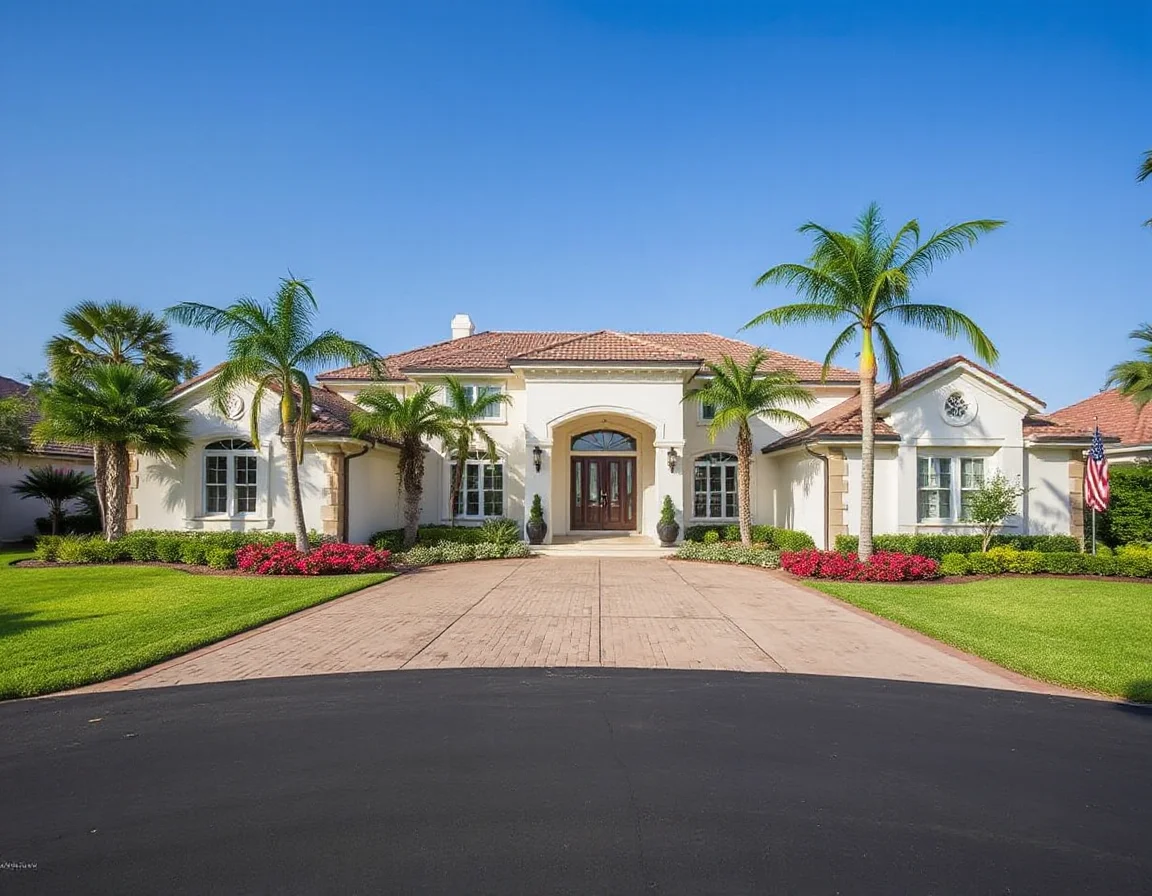
A strong valuation also sets expectations for everything that follows. It influences whether a seller should make improvements before listing, how aggressively to price at launch, and how much room there may be for negotiation. If the number is too high, a property can linger and lose momentum. If it is too low, sellers may leave value on the table without realizing it. The goal is not to chase the highest possible estimate, but to arrive at a price range that aligns with the market and supports a smart sales plan.
That is especially important in a market where presentation can have a noticeable impact. Design choices, staging, photography, and the condition of outdoor spaces often affect buyer response. A valuation that considers those factors can be far more actionable than a quick automated report.
The most useful valuation is not just a price opinion—it is a strategy tool that connects your likely list price to preparation, timing, and expected buyer feedback.
What to prepare before requesting a home valuation
Before asking for a pricing opinion, sellers can make the process more accurate by gathering a few essentials. A list of recent updates is one of the most helpful starting points. Kitchen renovations, bath improvements, roof replacement, HVAC upgrades, impact windows, flooring changes, pool improvements, dock work, and landscaping enhancements can all shape value, but only when they are documented clearly. Dates, permits when applicable, and approximate investment amounts give important context.
It also helps to think about features that may not be obvious from public records. Ceiling height, storage solutions, outdoor living upgrades, water views, guest suites, office space, and premium finishes may affect how a property compares to nearby listings. In Sarasota, subtle distinctions can matter. Two homes with the same bedroom count and square footage can perform very differently depending on layout, light, finish level, and how the home lives day to day.
If there are known maintenance items, mention those too. Deferred repairs do not automatically derail a sale, but they do affect pricing strategy and buyer response. A realistic valuation should account for condition as honestly as it accounts for upgrades.
How Sarasota market conditions shape the number
A valuation does not happen in a vacuum. The same home can command a different price depending on how much inventory is available, whether new listings are entering quickly, and how recently comparable properties went under contract. In Sarasota, micro-market differences can be significant. Waterfront properties, golf community homes, downtown residences, and homes in established neighborhoods may all move according to slightly different patterns.

Seasonality can play a role as well. Buyer activity often changes throughout the year, and that can affect pricing strategy, days on market, and how much leverage sellers may have in negotiations. A current valuation should look at closed sales, pending sales, active competition, and recent price adjustments—not just headline market averages. Those averages may be useful for broad context, but they rarely tell the full story for an individual property.
This is where local expertise matters. An experienced agent can interpret whether a recent nearby sale was truly comparable, whether a higher-priced listing is likely to reset expectations, or whether the property would benefit from a launch strategy built around staging and design-forward presentation. In higher-end segments of the Sarasota market, those decisions can materially affect both showing activity and offers.
Active competition matters almost as much as closed sales. Buyers compare your home to what they can see today, not only to what sold several months ago.
For sellers, that means the timing of a valuation is important. Requesting one too early and then waiting months to act may leave you working from stale information. If the plan is to list in the near future, it is best to evaluate value close enough to launch that the data still reflects current buyer behavior.
What sellers often misunderstand about upgrades and pricing
One of the most common misconceptions is that every dollar spent on improvements translates directly into a higher sale price. Some updates do strengthen value, especially when they improve condition, functionality, or visual appeal in ways buyers notice immediately. Others may help the home sell faster or photograph better without producing a one-to-one return. That does not make them unimportant—it simply means they should be chosen strategically.
Fresh paint, decluttering, lighting updates, landscape cleanup, and thoughtful staging often have outsized influence because they improve first impressions at a relatively manageable cost. Larger renovations may or may not be worth completing before listing depending on the age of the home, the competitive set, and how much disruption they create. Sellers benefit from knowing which projects support pricing and which ones merely add expense.
That is where hands-on guidance can be especially valuable. A tailored pre-listing review can help identify the small changes that improve marketability while avoiding unnecessary work. In a design-conscious market like Sarasota, presentation is not an afterthought. It is often part of the pricing conversation itself.
Using the valuation to build a selling plan
A good valuation should leave a seller with clear next steps. That may include a recommended list price range, a short list of prep items, a marketing timeline, and an understanding of how the property will be positioned against competing listings. It should also answer practical questions: Should the home be staged? Is now the right time to list? Are there low-effort updates that could improve buyer response? How should the home be introduced to the market?
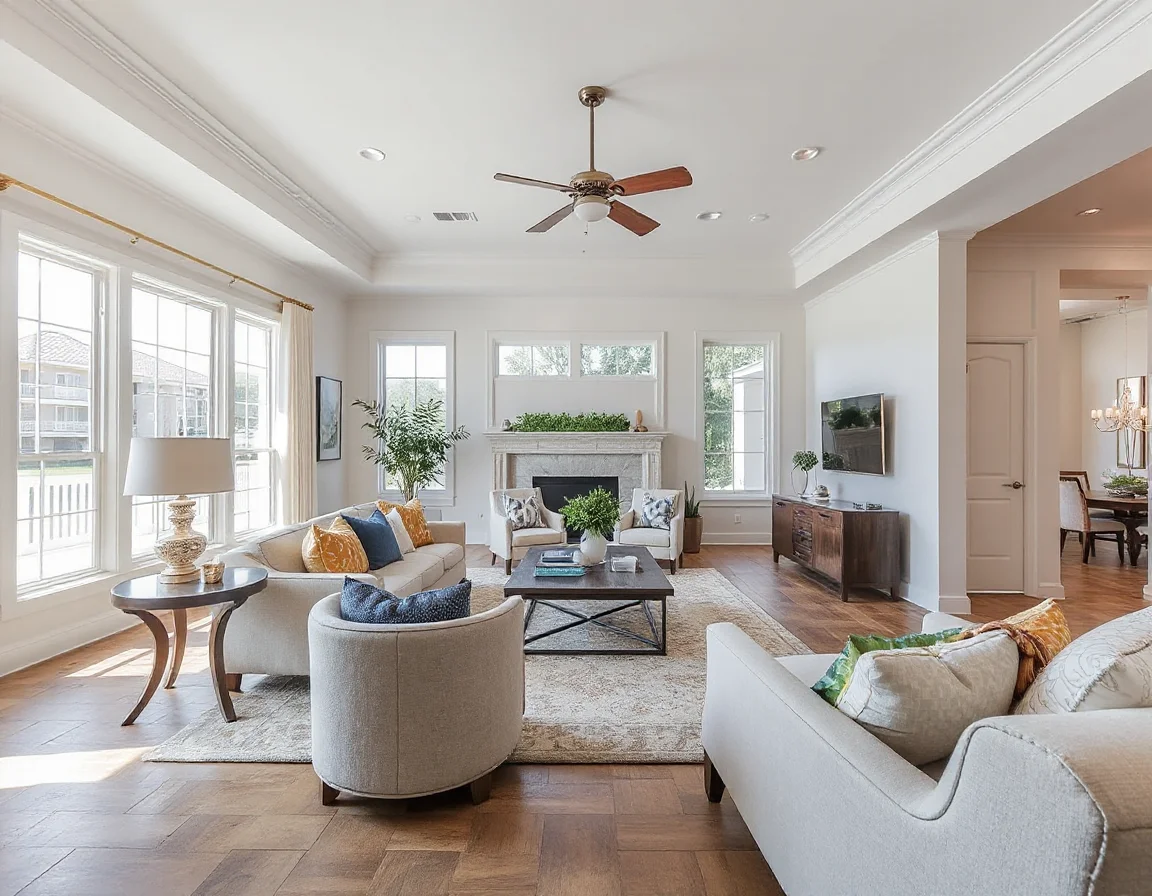
When sellers understand the reasoning behind the value, they can make stronger decisions from the start. That confidence matters later, especially when showings begin and feedback comes in. Instead of reacting emotionally to every comment or pricing suggestion, sellers can refer back to a strategy grounded in comparable sales, current inventory, and the home’s presentation.
For many homeowners, the valuation stage is also the best time to talk through goals beyond price alone. Desired timing, flexibility around closing, and readiness for the next move can all affect the right approach. A valuation should support those goals rather than exist as a stand-alone number on a page.
Talk through your selling strategy
In the end, requesting a home valuation is most valuable when sellers are ready to use it as a planning tool. With accurate property details, current market context, and a presentation strategy that reflects buyer expectations, the process becomes much more meaningful. For Sarasota sellers, that preparation can make the difference between simply listing a home and launching it with purpose.