
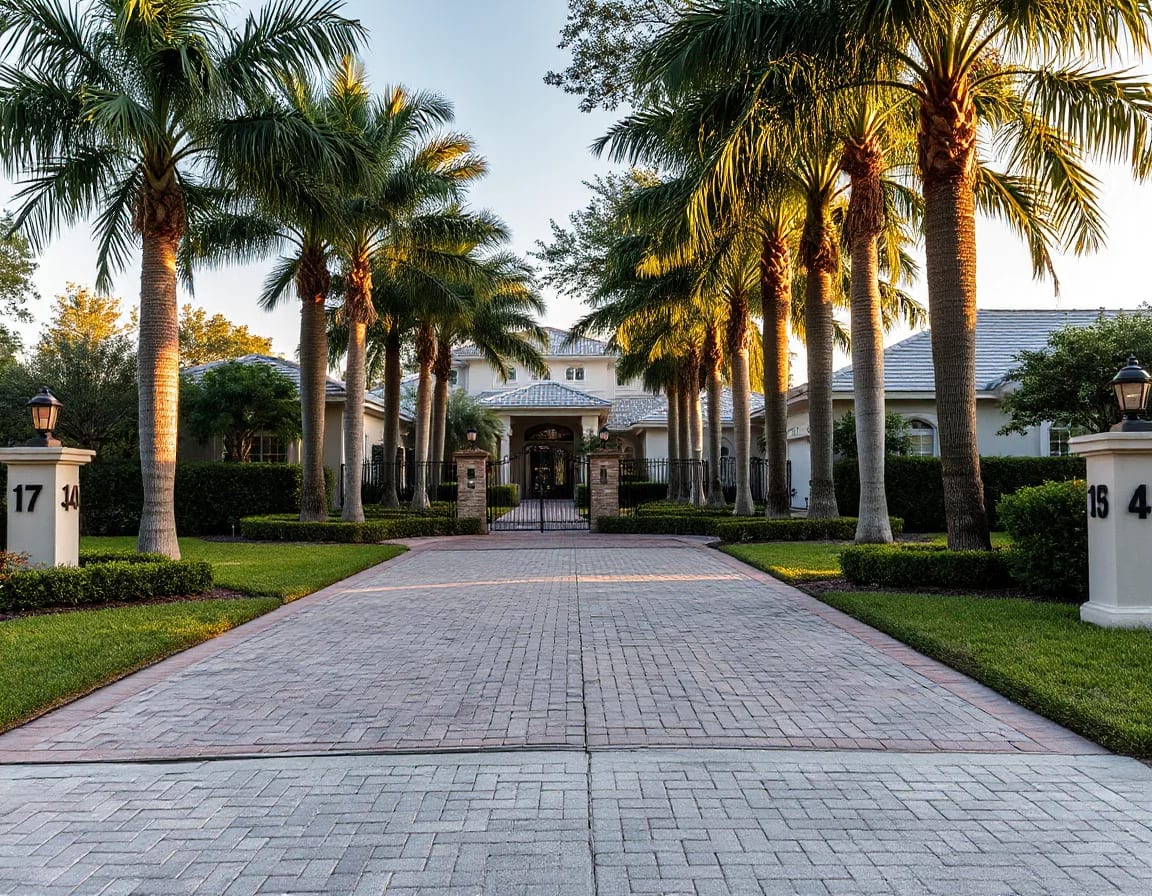
A $1 million budget in Lakewood Ranch can open the door to newer construction, polished finishes, outdoor living space, and in some cases water or golf views—but the exact mix depends heavily on neighborhood, lot size, and how updated the home is. This guide breaks down what buyers are most likely to see at that price point, where the compromises tend to appear, and how to compare value beyond square footage alone. If you want to shop intelligently in this segment, understanding the tradeoffs matters just as much as the headline price.
A seven-figure budget goes far, but not infinitely far
In Lakewood Ranch, $1 million still carries real buying power, especially compared with some other high-demand Florida markets. Buyers in this range are often looking at single-story or two-story homes with thoughtful layouts, contemporary finishes, strong indoor-outdoor flow, and community amenities that add to day-to-day appeal. What makes this price point interesting is that it sits in a sweet spot: high enough to reach upgraded homes in desirable enclaves, but still low enough that prioritizing the right features becomes essential.
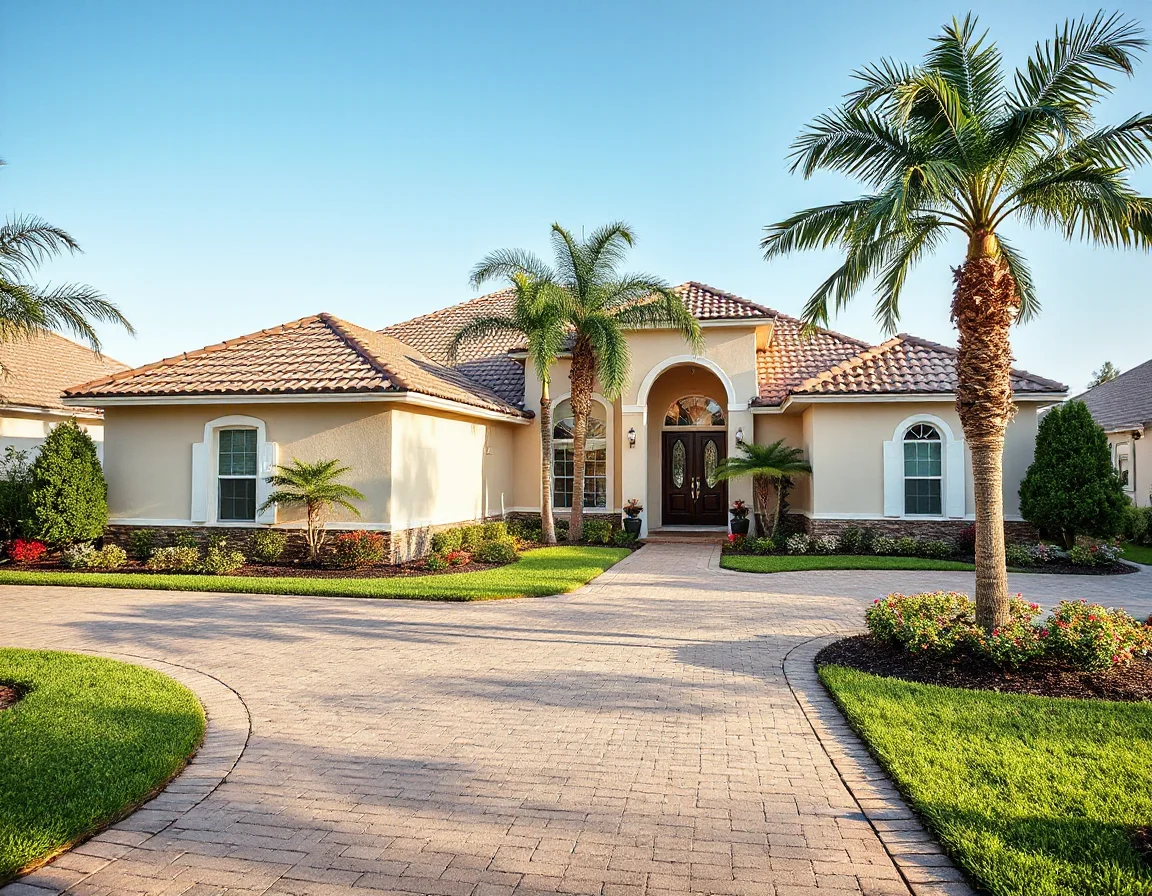
Rather than assuming every home at this level is fully custom or oversized, it helps to think in layers. One property may offer a newer build with a sleek kitchen and energy-efficient systems, while another may deliver more square footage on a larger homesite but with finishes that feel a bit more dated. A third might trade yard size for a premium setting near trails, golf, or water features. The value conversation is rarely just about bedroom count.
That is why buyers touring this segment should compare age, builder reputation, condition, and lot placement with the same attention they give to list price. A home built recently with impact-rated windows, a well-designed lanai, and a strong floor plan can outperform a larger home that needs immediate updates. In a market where presentation matters, the homes that feel turnkey tend to stand out quickly.
At the $1 million mark, the biggest price differences often come from lot quality, renovation level, and whether outdoor living feels truly usable year-round—not just from added square footage.
What interiors often look like at this price point
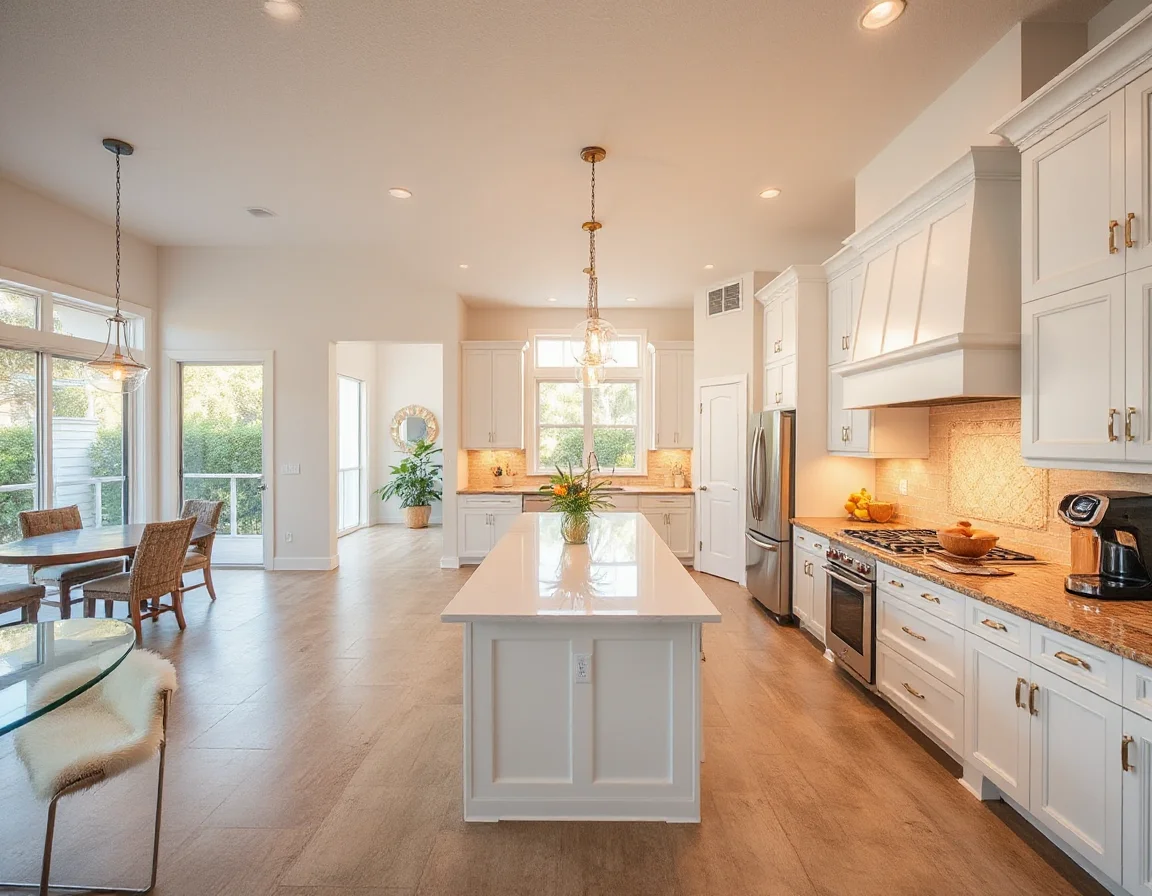
Inside, buyers can usually expect a level of finish that feels elevated, though not identical from home to home. Many listings in this range feature open-concept kitchens with large islands, walk-in pantries, stainless appliances, and gathering areas designed to connect naturally to the lanai. Primary suites often include spacious baths, dual vanities, and generous closets. Dedicated flex rooms, home offices, or bonus spaces are also common, which can be valuable for changing household needs without overpaying for unnecessary square footage.
Still, “updated” can mean very different things depending on when the home was built and how it has been maintained. Some $1 million homes show a crisp, design-forward look with lighter palettes, wide-plank flooring, and cleaner modern lines. Others may still carry heavier finishes, smaller-format tile, or cabinetry styles from an earlier build cycle. None of those details automatically make a home less valuable, but they do affect how much additional investment a buyer may want to plan for after closing.
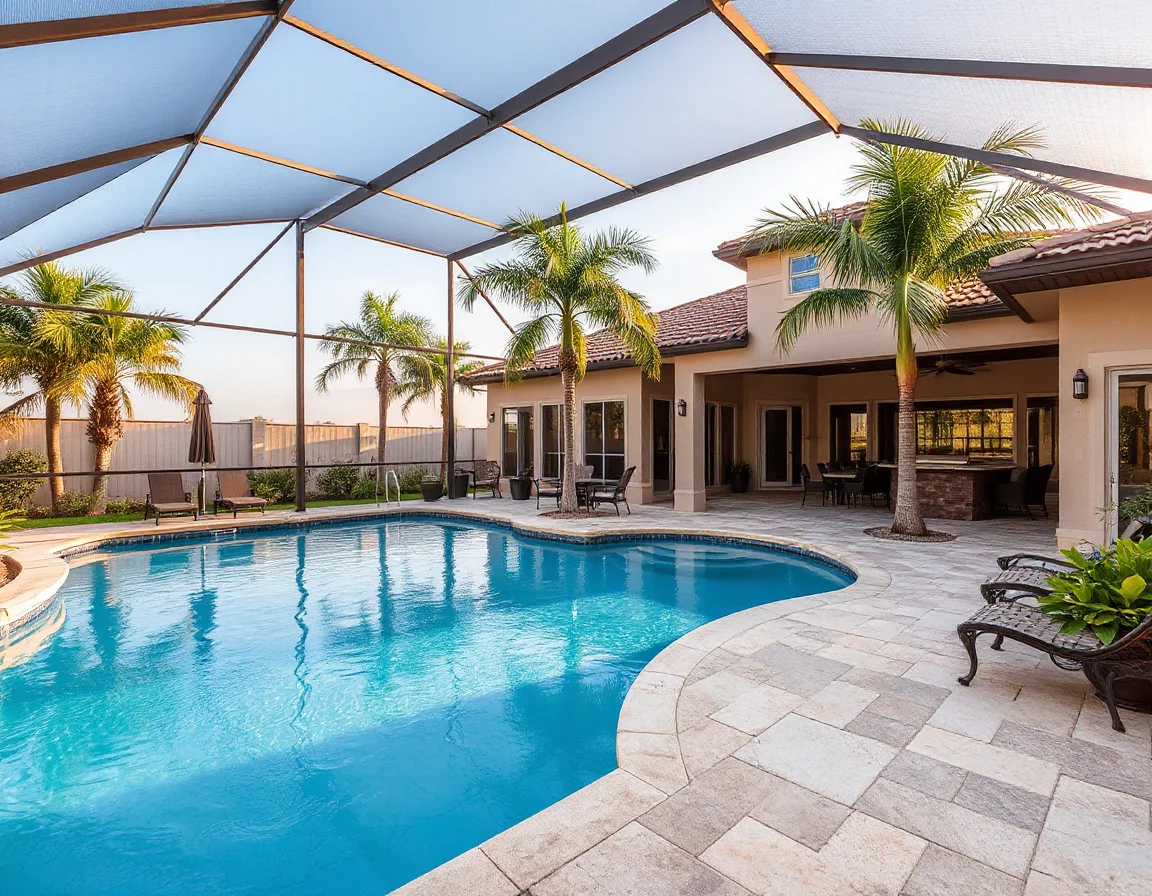
Outdoor space is another major part of the equation. In Lakewood Ranch, a million-dollar home often includes a screened lanai, upgraded pavers, an outdoor kitchen area, or room for a pool if one is not already in place. For many buyers, that exterior living zone carries nearly as much importance as the kitchen or great room. A home with a comfortable transition from interior to exterior space can feel significantly more complete than one with a strong interior but a basic backyard setup.
It is also worth paying attention to ceiling height, natural light, and the way the floor plan handles privacy. Two homes with nearly identical measurements can feel completely different in person. One may live larger because of sightlines and window placement, while another may have extra square footage tied up in rooms that do not function as efficiently.
Search Lakewood Ranch listings
Where the tradeoffs usually show up
No matter how attractive the budget sounds, tradeoffs are part of the process. In Lakewood Ranch, the most common give-and-take often comes down to choosing between location within the community, lot size, home age, and finish level. A buyer who wants a newer home with current design selections may find a smaller lot or less dramatic view. A buyer who prioritizes privacy or outdoor space may find that the interior style is a few years behind current trends. And if a home is in a particularly sought-after section, the premium attached to that setting can reduce the amount of house attached to the price.
HOA structure and community features can also influence value in ways that are easy to miss on a first pass through the listings. Gated entry, maintained common areas, club amenities, or recreation-focused neighborhoods may support strong appeal, but they also affect ongoing ownership costs. Buyers comparing two similarly priced homes should weigh not only finishes and size, but also the recurring costs and the practical benefits tied to each location.
Another important tradeoff involves updates versus hidden future expenses. A beautifully staged home can create a strong first impression, but buyers should still look at roof age, HVAC, windows, appliances, and any deferred maintenance. The most compelling property is not always the one with the flashiest photos; sometimes it is the house where the major systems and layout create the best long-term value.
When inventory is tight, well-presented homes in this price range can draw fast attention, especially if they combine a newer build, a strong lot, and a move-in-ready finish package.
How to compare value more effectively
One of the smartest ways to shop this segment is to rank priorities before touring. Start with the features that are hardest to change later: neighborhood placement, lot orientation, view, overall layout, and structural quality. Cosmetic details are important, but they can usually be updated over time more easily than expanding a backyard or relocating a primary suite. Knowing what is permanent versus what is adjustable can make decision-making much clearer.
It also helps to evaluate homes in context rather than isolation. If one property is priced slightly above another, ask what that premium is buying. Is it a superior homesite, a recent renovation, better outdoor living, or a stronger community setting? If a home looks like a bargain, consider what may be missing: less privacy, fewer upgrades, more wear, or a location drawback that affects resale appeal. Those comparisons matter far more than broad assumptions about what $1 million “should” buy.
Buyers working in this range often benefit from a strategy that combines market knowledge with careful visual analysis. Design-forward presentation can highlight a home's strengths, but a closer look at function, condition, and neighborhood placement tells the fuller story. In a place like Lakewood Ranch—where style, amenities, and lifestyle appeal intersect—understanding the details helps buyers make more confident decisions.
The bottom line on buying around $1 million in Lakewood Ranch
A $1 million budget in Lakewood Ranch can deliver a polished, highly livable home with strong community appeal, but the exact package depends on what matters most to you. Some buyers will favor newer construction and a turnkey finish. Others will prefer a better lot, expanded outdoor living, or more interior space. The right fit is usually the one that balances daily function, long-term value, and the features that truly shape how the property lives.
Approached thoughtfully, this price point offers real opportunity. The key is to look past the headline number and compare homes on the elements that are hardest to replicate later: setting, layout, condition, and the quality of the experience each property creates from the moment you walk in.